
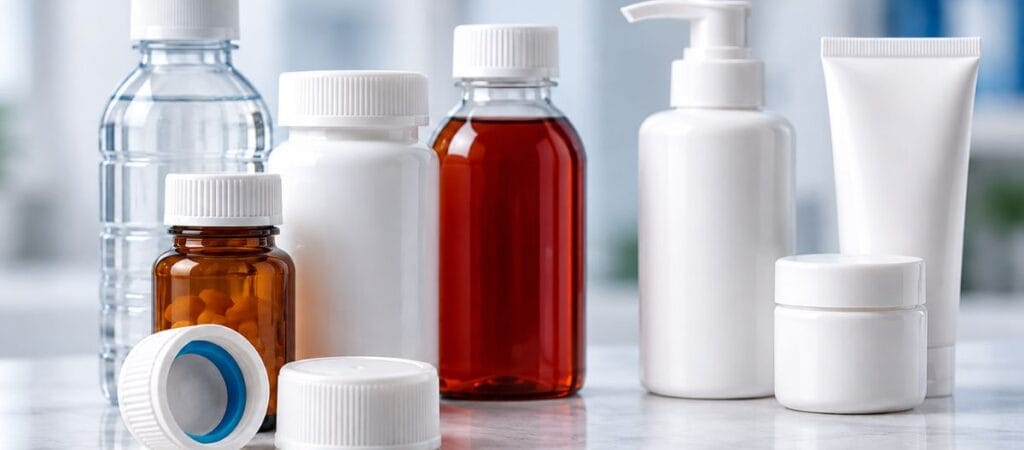
Expanding TPE Co-Injection Cap Technology Beyond Pharmaceutical Packaging
Packaging technology developed for demanding pharmaceutical applications can offer valuable opportunities in other industries. Food, beverage, and cosmetics manufacturers face many of the same fundamental challenges: maintaining product integrity, preventing contamination, ensuring reliable sealing, and delivering a convenient consumer experience.
Traditional plastic closures can meet many basic packaging requirements, but certain applications call for more specialized solutions. These include closures designed to minimize particle shedding during opening, improve sealing reliability, facilitate controlled dispensing, and support more hygienic product access.
Thermoplastic elastomer (TPE) co-injection cap technology offers a potential solution by combining the structural characteristics of rigid plastics with the elasticity of TPE in an integrated closure design. Depending on the configuration, this approach can support improved sealing performance, convenient opening mechanisms, and specialized dispensing functions.
At JSD Pharma, expertise in TPE co-injection-molded pharmaceutical closures provides a foundation for exploring applications beyond the pharmaceutical sector. From bottled beverages and liquid food packaging to premium skincare and personal care products, the closure technology offers opportunities to address evolving packaging requirements across multiple industries.
1. Food and Beverage Packaging: Aseptic, Sealing, Freshness, and Consumer Safety

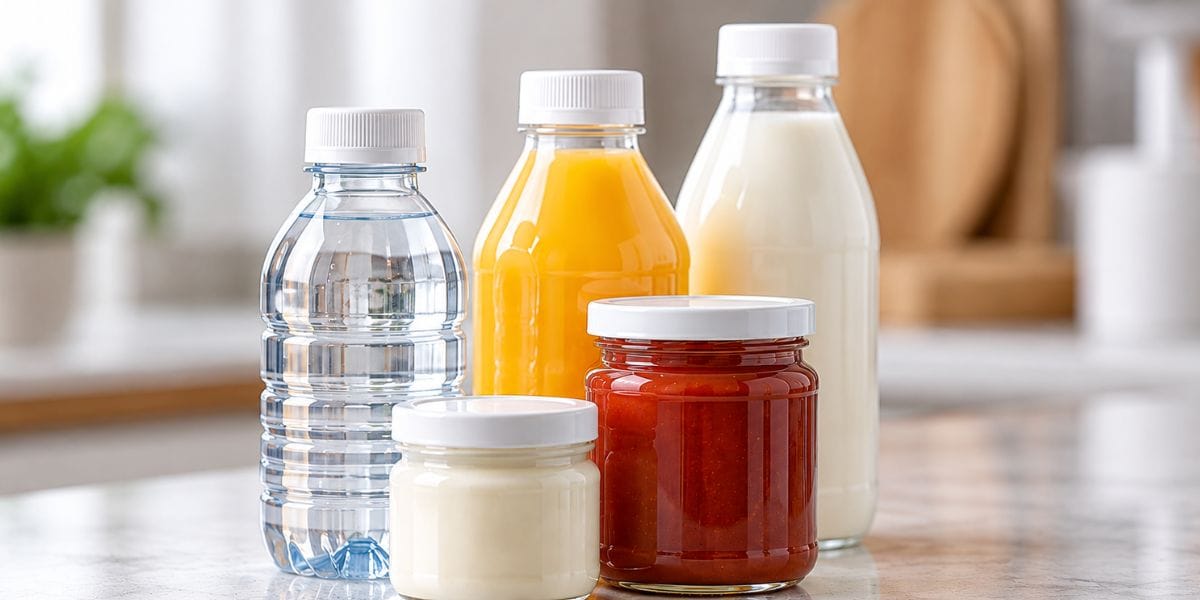
Food and beverage packaging must protect products against leakage and contamination while preserving quality throughout storage, transportation, and use. Closure performance is particularly important for liquid products, where even minor sealing defects can lead to leakage, product loss, or compromised packaging integrity.
TPE co-injection caps can be developed for applications that require reliable sealing, controlled opening, and convenient dispensing. Their suitability depends on the specific closure design, container material, filling process, and regulatory requirements for food-contact materials.
Large-Volume Bottled Water and Functional Beverages
Large water containers and functional aseptic beverage packaging require closures that can withstand handling, transportation, and repeated changes in orientation without leaking. Conventional plastic caps may be sufficient for many applications, but alternative closure designs can provide additional functional benefits.
A TPE closure incorporating a pull-ring opening mechanism could help manufacturers address sealing and opening requirements while reducing the risk of loose plastic fragments being generated during access, provided this performance is demonstrated through appropriate testing.
For large-volume bottled water and functional beverages, the key development priorities include resistance to leakage, secure sealing during long-term storage, ease of opening, and compatibility with the container and filling system.
Where products are intended for extended storage, the closure must also help maintain package integrity and prevent external contamination. These characteristics are particularly important for products distributed through complex supply chains or stored under varying environmental conditions.
Aseptic and Cold-Filled Beverages
Fresh juices, plant-based protein drinks, and refrigerated yogurt beverages can present demanding packaging requirements because their formulations and processing methods may make them sensitive to microbial contamination, oxygen exposure, or temperature fluctuations.
For these products, a high-performance closure can contribute to the integrity of the overall packaging system. TPE co-injection cap designs may be tailored to provide effective sealing and compatibility with specific container configurations, including applications involving hygienic or aseptic filling processes.
Indeed, TPE co-injection caps offer high sealing performance that can extend product shelf life by more than 30% under suitable conditions, while reducing the need for excessive preservatives and helping preserve the beverage’s original flavor.
By providing a reliable seal, TPE closures help protect beverage quality during storage and distribution. This makes them a promising packaging solution for beverage manufacturers seeking to enhance product freshness, maintain quality, and meet consumer expectations for convenient, high-performance packaging.
Liquid Food and Condiment Packaging
Sauces and liquid food products such as soy sauce, honey, salad dressing, and other condiments often require secure long-term sealing alongside convenient dispensing.
For flexible pouches and other liquid food packaging formats, a TPE closure incorporating a puncture-style dispensing port may offer an alternative to conventional screw caps, depending on the package configuration. Such designs can be developed to facilitate controlled liquid flow and simplify product dispensing.
A well-designed dispensing closure can help reduce unwanted dripping and product residue around the opening. Features such as pull rings, integrated access points, and easy-to-operate closure mechanisms can also improve convenience for consumers who need to open, dispense, and reseal a package with minimal effort.
For manufacturers, the objective is to balance ease of use with reliable sealing, product compatibility, and production efficiency. Closure geometry, material selection, and dispensing performance must all be evaluated against the viscosity and chemical characteristics of the packaged food.
Food-contact compliance is equally important. Materials intended for food packaging must meet the applicable requirements of their target markets, and the complete closure or packaging system should be assessed for its intended conditions of contact and use.
2. Cosmetics Packaging: Product Protection, Hygiene, and Precision Dispensing
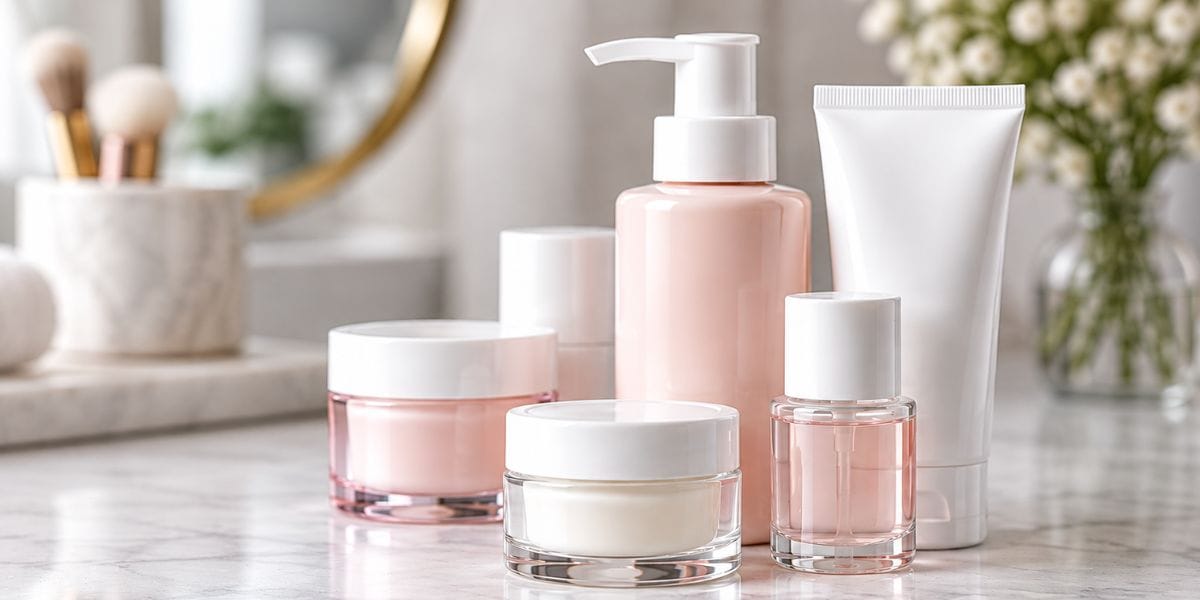
Cosmetics and personal care products increasingly incorporate active ingredients, specialized formulations, and premium delivery systems. As a result, packaging must do more than provide an attractive exterior. It must also protect the formulation, control product access, and deliver a consistent user experience.
TPE co-injection cap technology offers opportunities for cosmetic packaging designs that combine effective sealing with controlled dispensing and convenient opening. These features may be particularly relevant to concentrated skincare products, professional cosmetic formulations, and large-volume personal care packaging.
Single-Use Ampoule-Style Skincare Packaging
Serums, concentrated essences, and other active skincare formulations may be sensitive to oxygen, light, moisture, or repeated exposure to external contaminants. Packaging design therefore plays an important role in maintaining product quality throughout its intended shelf life.
Small-diameter TPE caps could be incorporated into suitable ampoule-style or single-use packaging systems to support controlled access and reduce unnecessary exposure of the formulation to the external environment. They can help prevent oxygen exposure and microbial contamination, preserving the activity of sensitive skincare ingredients before opening.
When paired with compatible dispensing tools, these closures may also help consumers dispense a measured quantity of product. This can be useful for concentrated formulations where dosage consistency and convenient application are important.
Compared with repeatedly opened wide-mouth containers, appropriately designed single-use packaging can reduce repeated exposure to air and the surrounding environment. For brands developing premium skincare products, closure innovation can therefore support both product protection and a more controlled consumer experience.
Professional Skincare and Post-Procedure Products
Professional skincare products, including certain post-procedure toners, restorative formulations, and gels, may have specific requirements for packaging hygiene and compatibility.
Closures manufactured under controlled environmental conditions can help support a hygienic packaging process. Pharmaceutical packaging manufacturing practices may offer useful reference points for controlling contamination risks, particularly when the intended cosmetic application has demanding cleanliness requirements.
For this type of product, TPE closure technology can be combined with Class 10,000 cleanroom manufacturing standards used for innovative medical packaging infusion. This helps prevent microbial contamination throughout the packaging process, reduces the need for high levels of preservatives, and ultimately lowers the risk of allergic reactions among users with sensitive skin.
Large-Volume Shampoo and Body Wash Packaging
Large-volume shampoo, conditioner, and body wash containers present a different set of packaging challenges. These products are often transported in bulk, stored for extended periods, and used repeatedly by consumers or professional establishments.
Leak prevention is particularly important because liquid leakage during transportation can damage secondary packaging, create handling difficulties, and lead to product loss.
A pull-ring TPE closure can be developed to combine convenient opening with reliable sealing. Depending on the design, it may also support controlled dispensing and compatibility with different container formats.
For premium personal care brands, closure design can contribute to product differentiation as well. Decorative treatments, including foil stamping and selected metallic finishes, may be applied where the closure material and manufacturing process permit. These features can complement the overall packaging design while maintaining the functional requirements of the closure.
For professional salons, spas, and other commercial users, a well-designed closure can offer practical benefits through easier handling, dependable sealing, and a more consistent dispensing experience.
3. Why TPE Co-Injection Technology Offers New Packaging Opportunities
The value of TPE co-injection technology lies in its ability to integrate different material characteristics into a single closure design. Rigid thermoplastics can provide structural support, while TPE can contribute elasticity and sealing functionality in the designated areas of the component.
This combination creates opportunities to develop closures around specific application requirements rather than relying exclusively on conventional one-material designs.
Depending on the application, potential advantages include improved sealing performance, specialized opening mechanisms, controlled dispensing, and reduced particle generation during access. These benefits must be verified for each closure design through appropriate functional testing.
Another important consideration is manufacturing integration. A closure must perform consistently not only in laboratory evaluations but also within the intended filling, packaging, transportation, and consumer-use processes. Mold precision, material compatibility, process control, and quality inspection all influence the reliability of the finished product.
For manufacturers considering a transition to TPE co-injection closures, development should therefore begin with a clear understanding of the product’s requirements, including the container interface, filling method, expected storage conditions, dispensing behavior, and applicable food-contact or cosmetic packaging regulations.
4. From Pharmaceutical Expertise to Cross-Industry Packaging Innovation
Although food, beverage, cosmetics, and pharmaceutical packaging have different regulatory frameworks and product requirements, they share several fundamental engineering challenges. All require packaging materials that are appropriate for their intended use, closures that perform reliably, and manufacturing processes capable of delivering consistent quality.
JSD’s experience in pharmaceutical closure development provides a technical foundation for exploring these shared challenges. Material formulation, precision mold engineering, co-injection molding, sealing evaluation, and functional validation are all relevant capabilities when developing specialized closures for other sectors.
At the same time, each industry requires application-specific assessment. Food-contact materials must meet the applicable food safety requirements, while cosmetic packaging must be evaluated for compatibility with its intended formulation and use. Pharmaceutical packaging specifications cannot simply be transferred to these applications without further review and validation.
By approaching each project through material selection, structural design, prototype evaluation, and manufacturing assessment, JSD can explore closure solutions tailored to the needs of different markets.
Expanding the Possibilities of Advanced Closure Design
The evolution of packaging technology is creating opportunities for LVP packaging manufacturers to improve sealing performance, consumer convenience, product protection, and visual differentiation across a growing range of applications.
TPE co-injection cap technology, initially associated with demanding pharmaceutical closure requirements, also offers potential for food and beverage containers, liquid condiment packaging, premium skincare systems, and personal care products.
The key is to match closure design to the specific needs of the application. Reliable sealing, material compatibility, controlled dispensing, regulatory compliance, and manufacturing consistency must all be considered together.
At JSD Pharma, packaging innovation extends beyond the closure itself. By combining material science, precision engineering, and application-focused development, JSD explores new possibilities for TPE co-injection technology across industries where packaging performance matters.
