
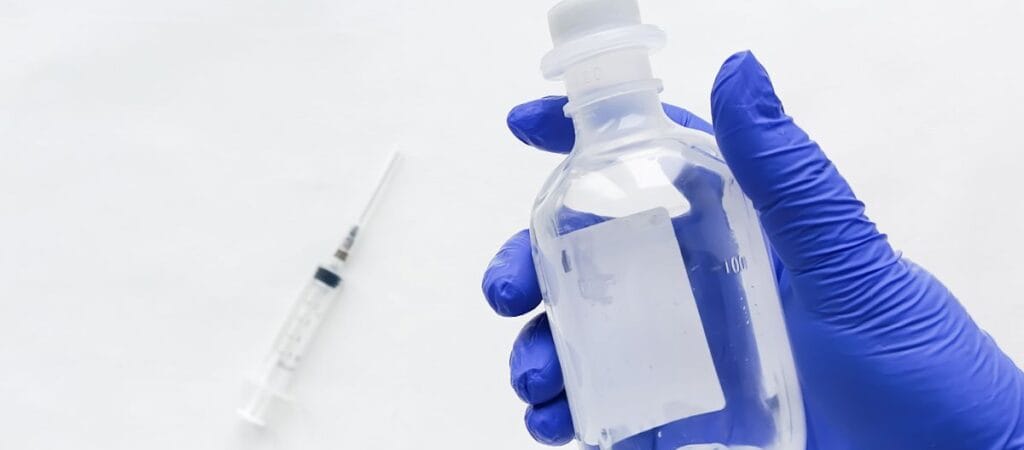
Understanding Medical-Grade Polyolefins
Medical-grade polyolefins, including polypropylene (PP), high-density polyethylene (HDPE), and low-density polyethylene (LDPE), are the primary rigid materials used in pharmaceutical container closure systems such as Euro Caps and plastic combination caps. These materials are manufactured from high-purity ethylene and propylene monomers, typically exceeding 99.99% purity, with residual impurities controlled at the parts-per-million (ppm) level.
Medical polyolefins are produced using Ziegler-Natta or metallocene catalyst technologies, allowing precise control over molecular weight, molecular weight distribution, branching, and crystallinity. These structural characteristics directly influence the mechanical properties, processing behavior, sterilization resistance, and long-term performance of pharmaceutical packaging components.
The number-average molecular weight of medical-grade polyolefins typically ranges from 10⁴ to 10⁶. A narrow molecular weight distribution (PDI < 2) improves mechanical stability and processing consistency while reducing low-molecular-weight residues. Depending on the polymer grade, crystallinity generally ranges from 30% to 80%. Higher crystallinity improves strength, stiffness, and chemical resistance but reduces flexibility and transparency. Copolymerization with small amounts of α-olefins, such as 1-butene, can reduce crystallinity and improve flexibility.
The branching structure also affects material performance. Moderate short-chain branching improves impact resistance and melt flow during injection molding, while long-chain branching enhances melt strength. During polymer production, residual monomers are typically controlled below 10 ppm, and catalyst residues such as titanium and aluminum compounds are minimized through devolatilization and purification processes to meet pharmaceutical standards. Polymer stereoregularity is also important. Highly isotactic polypropylene provides excellent mechanical strength and heat resistance, whereas random copolymer polypropylene offers greater flexibility for certain medical packaging applications. Crosslinking technologies may further improve heat resistance, wear resistance, and creep performance for specialized medical products.
The selection of PP, HDPE, or LDPE for a combination cap depends primarily on the sterilization process, drug formulation, filling line requirements, and intended clinical application.
Polypropylene (PP): The Preferred Choice for Most Pharmaceutical Filling Lines
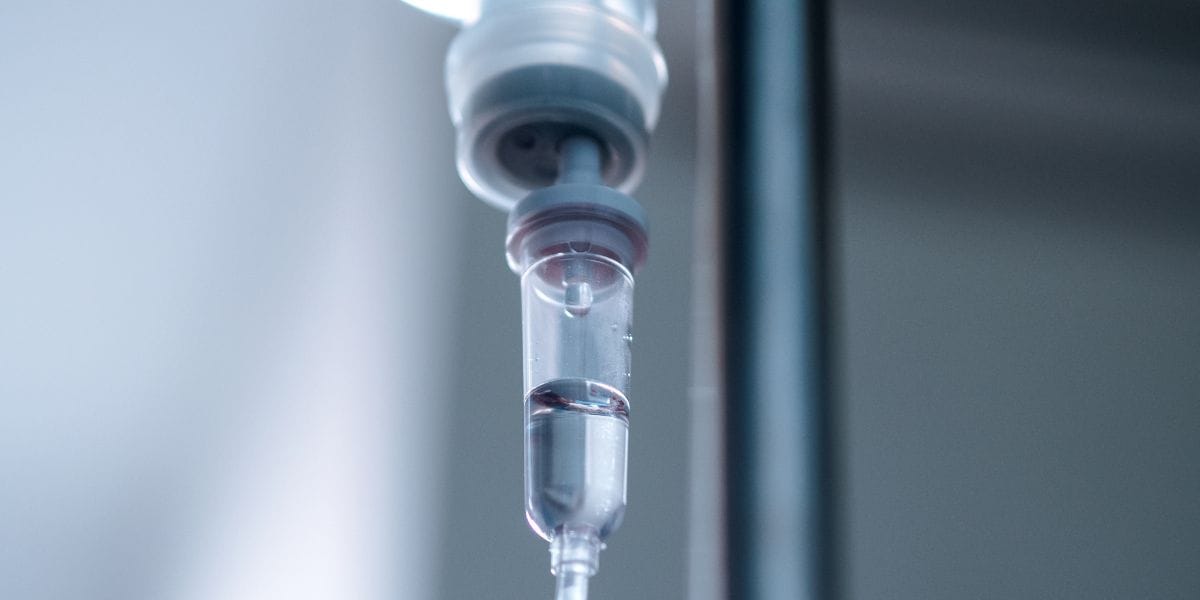
Polypropylene is the preferred rigid material for the majority of large-volume parenteral (LVP) packaging applications.
Its excellent heat resistance allows it to withstand steam sterilization at 121°C, making it suitable for most infusion products requiring terminal sterilization. PP also provides excellent barrier properties that help reduce oxygen ingress and maintain product stability throughout shelf life. In addition, its relatively high transparency allows healthcare professionals to visually inspect the drug product more easily. Polypropylene is also compatible with gamma irradiation sterilization when required.
Typical applications include glucose injections, normal saline, antibiotic infusion products requiring terminal steam sterilization, and most standard pharmaceutical infusion containers.
High-Density Polyethylene (HDPE): A Reliable Option for Selected Applications
HDPE is well suited for pharmaceutical products where high rigidity and chemical resistance are priorities.
Its high stiffness helps maintain container shape during transportation and storage while offering excellent resistance to acidic and alkaline solutions. HDPE is also cost-effective, making it an attractive choice for high-volume pharmaceutical packaging.
Compared with PP, however, HDPE has lower heat resistance and is generally suitable for sterilization temperatures of approximately 106°C. Its transparency is also lower, making visual inspection of the drug solution more difficult. In addition, HDPE is generally not suitable for gamma irradiation sterilization.
Typical applications include electrolyte solutions, sodium bicarbonate injection, and large-volume infusion containers, particularly those exceeding 500 mL.
Low-Density Polyethylene (LDPE): Designed for Flexible Packaging Systems
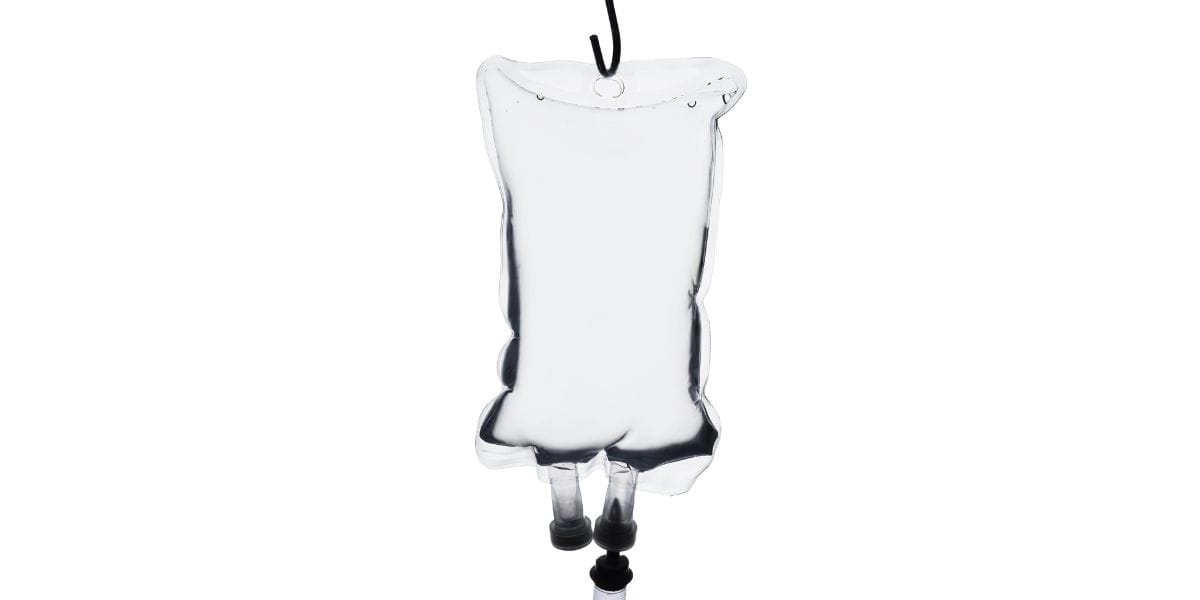
LDPE is primarily used where flexibility is the most important design consideration.
Its excellent flexibility makes it the preferred material for soft infusion bags, while its outstanding processing characteristics support high-speed automated manufacturing. However, LDPE has relatively poor heat resistance and is generally unsuitable for high-temperature steam sterilization. It also provides lower gas barrier performance than PP, resulting in shorter shelf life for oxygen-sensitive products. Because of its lower mechanical strength, LDPE containers are also more susceptible to physical damage during handling.
Typical applications of this material include single-use infusion bags intended for short-term storage, intravenous nutrition bags, and certain topical or externally administered pharmaceutical solutions.
Material Selection for TPE Co-Injection Euro Caps
In co-injection molded JSD Caps® (TPE Euro Cap), the elastomeric sealing element is manufactured from JSD131 thermoplastic elastomer, which provides a hanging-load performance of 1 kg while maintaining leak-free sealing after needle withdrawal.
The rigid component of the cap can be manufactured using PP, HDPE, or LDPE, depending on the customer’s filling process, sterilization method, and product requirements. Regardless of the rigid material selected, all three materials exhibit excellent overmolding compatibility with JSD131, producing a strong bond between the rigid cap body and the TPE sealing element.
By selecting the appropriate rigid polymer while maintaining the proven sealing performance of JSD131, TPE co-injection Euro Caps can be tailored to meet the requirements of virtually any large-volume parenteral filling line.
Conclusion
No single polyolefin is ideal for every pharmaceutical packaging application. PP offers the best overall balance of sterilization resistance, barrier performance, and mechanical properties for most LVP products. HDPE provides excellent rigidity and chemical resistance for selected formulations, while LDPE remains the preferred choice for flexible infusion bags and applications where flexibility is essential.
For TPE co-injection Euro Caps, the choice of rigid material can be matched to the customer’s filling process and product requirements without compromising the performance of the elastomeric sealing element. With excellent bonding between JSD131 TPE and PP, HDPE, or LDPE, a large-volume parenteral packaging manufacturer can select the most suitable material combination to achieve reliable sealing performance, manufacturing efficiency, and compatibility with modern pharmaceutical filling lines.
