Features & Benefits
Available Types
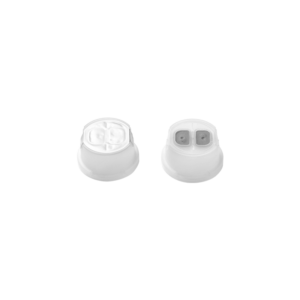
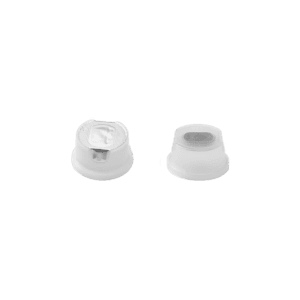
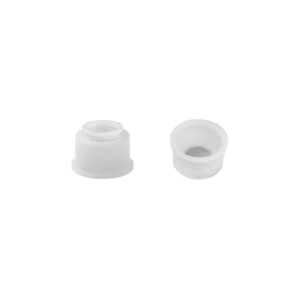
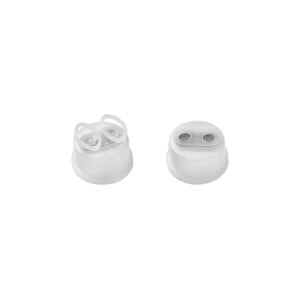
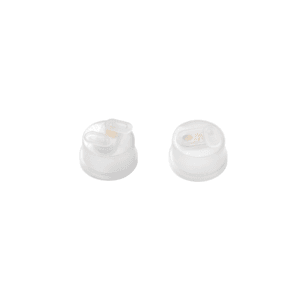
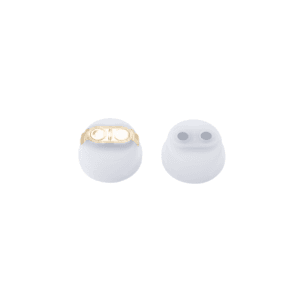
Polypropylene JSD Caps (PP)
- Aluminum-Foil
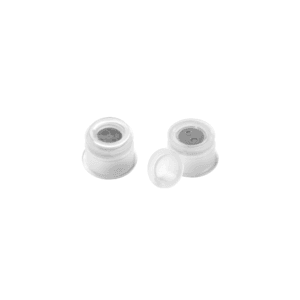
- Liquid-Barrier Membrane / Aluminum-Foil
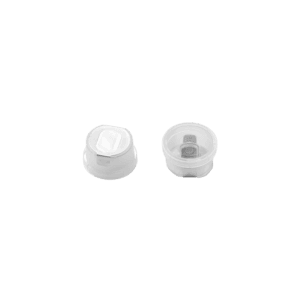
- Pull-Ring
- Break-Off
Polyethylene JSD Caps (PE)
- Aluminum-Foil
- Liquid-Barrier Membrane / Aluminum-Foil
- Pull-Ring
- Break-Off
Temperature and Time for Sterilization
- Polypropylene JSD Caps (PP) 121°C (30 Minutes)
- Polyethylene JSD Caps (LDPE / HDPE) 106°C (50 Minutes)
Note: Sterilization temperature and duration can be increased according to customer requirements.
Quick Compare
Comparison between JSD Caps (Euro Caps) and Plastic Combination Caps
Product / Performance
- Molding Process
- Hanging Weight
- Sealing Integrity & Performance Under Puncture
- Chemical Purity
- Particulate Contamination
- Compatibility with Existing Filling Lines
- Product Safety
JSD Caps / Euro Caps (Thermoplastic Rubber)
- TPE Component: Integral injection molding
- 1–1.5 kg
- Leak-free; no particle shedding
- No thiazole cross-linking agents; minimal antioxidants
- No silicone oil lubrication required; no particulate contamination
- Euro Caps can replace combination caps of the same specifications without production line adjustments
- Patented; eco-friendly manufacturing; no risk of cost increases; secure supply chain
Combination Caps (Thermosetting Rubber)
- Rubber Component: Cartridge assembly (prone to side leakage)
- IR: 0.5 kg; IIR: 1 kg
- IR: Slight risk of leakage & particle shedding IIR: High risk of leakage & particle shedding
- IR components generally use thiazole cross-linking agents and high levels of antioxidants
- IR and IIR components require silicone oil lubrication; high risk of particulate contamination
- Combination caps can replace co-injection caps of the same specifications without production line adjustments
- Manufacturing under environmental compliance pressures; potential for higher production costs
Comparison of Euro Caps from Selected Global Manufacturers
Company / Performance
- Self-Sealing Performance
- Risk of Particle Shedding
- Appearance & Material Safety of TPE Component
- Compatibility with Existing Filling Lines
- Product Safety
- Surface Quality of TPE Component
JSD
- Leak-free
- Low
- Light gray; low PAH risk; positive patient perception of safety
- Euro Caps of the same specifications can be filled on the existing production line
- No solvent odor
- No injection molding flow marks
Certain North American Manufacturer
- High risk of leakage
- Low
- Gray; slightly elevated PAH risk; poor patient perception of safety
- Euro Caps of the same specifications can be filled on the existing production line
- No solvent odor
- No injection molding flow marks
Certain South Asian Manufacturer
- High risk of leakage
- High
- Dark gray color; high PAH risk; poor patient perception of safety
- Euro Caps of the same specifications can be filled on the existing production line
- Strong solvent odor; safety risks present
- Injection molding flow marks present
FAQs
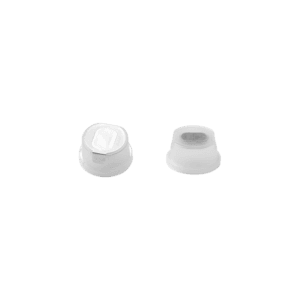
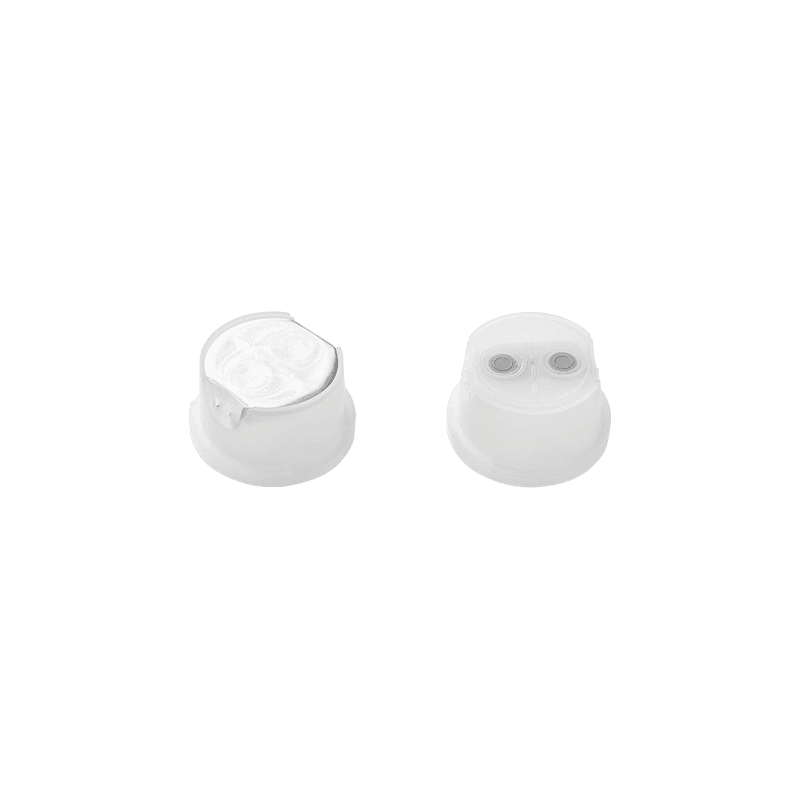
JSD Cap is a TPE Euro Cap specifically designed for BFS and FFS infusion packaging. Manufactured using high-precision, multi-material co-injection molding and JSD131, a proprietary elastomer engineered by JSD, it features an advanced design that brings together the proven strengths of both traditional rubber-stopper–assembled Euro Caps and conventional TPE Euro Caps.
Compared with traditional rubber-stopper–assembled Euro Caps, JSD Cap features a more practical and optimized structure, superior dimensional accuracy, and higher material purity, while supporting a hanging weight of 1–1.5 kg. Compared with conventional TPE Euro Caps, it delivers significantly enhanced sealing performance, ensuring no particle shedding during needle puncture, zero leakage during needle withdrawal, smooth needle penetration without sticking, and no solvent odor.
Combining high-performance material and advanced manufacturing technology, JSD Cap has become a premium Euro Cap solution recognized globally for both safety and reliability, enabling seamless product replacement without changes to existing production lines.
BFS, or “Blow-Fill-Seal,” is an advanced aseptic manufacturing technology widely used for large-volume infusions and other sterile products. The entire process—including bottle forming, filling, and sealing—takes place in an ISO Class A environment. This ensures exceptionally high sterility, minimal impurities and particulate contamination, and the utmost stability of liquid medications.
Compared with traditional combination caps, JSD Caps share the core advantages of BFS technology—particularly in terms of sterility, purity, and product stability—and are therefore ideally suited for use in BFS infusion packaging.
Pharmaceutical manufacturers currently using combination caps can replace them with JSD Caps of the same dimensions without making any adjustments to the production line. End users, such as hospitals, can continue using the products in the same way.
After sterilization, JSD Caps should be tested following a 3–7 day storage period because this approach better reflects actual pharmaceutical manufacturing processes and clinical-use conditions.
In commercial pharmaceutical production, drug products are sterilized and then held before release while required quality control tests, including sterility testing, are completed. Therefore, packaging components are typically not put into use immediately after sterilization.
By evaluating JSD Caps after a 3-7 day post-sterilization storage period, we can better simulate real-world conditions and generate performance data that more accurately represents how the closures will perform in practice. This testing approach provides a more reliable evaluation of critical performance attributes, including container closure integrity, puncture performance, and mechanical stability.
JSD Caps are manufactured using our patented JSD131 elastomer technology, which features a high-molecular-weight polymer structure with excellent resistance to thermal and oxidative aging. Due to its unique molecular structure, JSD131 demonstrates superior stress relaxation properties, allowing the closures to maintain their sealing force and mechanical performance after sterilization and storage.
In comparison, elastomer materials containing higher levels of low-molecular-weight components are generally more susceptible to aging and performance degradation during sterilization, which may negatively affect sealing reliability and long-term durability.
The excellent stability of JSD131 enables JSD Caps to deliver consistent and reliable performance throughout the entire lifecycle—from sterilization and storage to clinical application—giving customers greater confidence in the quality and reliability of the packaging system.