

The pharmaceutical industry continues to adopt advanced packaging technologies that improve product quality, manufacturing efficiency, and patient safety. One important development is the replacement of traditional thermoset rubber combination caps used on blow-fill-seal (BFS) infusion containers with polymer co-injection TPE Euro Caps such as the JSD Cap®.
Before implementing this change, manufacturers must determine how it should be evaluated from a regulatory perspective. Should it be treated as a packaging structure change, a packaging material change, or both? Correctly classifying the change is the foundation of regulatory compliance and an effective change control strategy.
Why Regulatory Change Assessment Matters
Both pharmaceutical packaging manufacturers and pharmaceutical companies are responsible for ensuring that packaging changes do not adversely affect the quality, safety, or suitability of the final drug product.
In accordance with ISO 15378, every packaging change must follow a documented and traceable change control process. The evaluation should demonstrate that the modification maintains regulatory compliance while protecting product quality throughout the product lifecycle.
In addition to ISO 15378, manufacturers must comply with the Good Manufacturing Practice (GMP) regulations of the countries where their products are marketed.
FDA Regulations for Pharmaceutical Packaging Changes
For products sold in the United States, packaging changes are governed by the U.S. Food and Drug Administration (FDA). The FDA manages pharmaceutical packaging changes through several key regulations and guidance documents, including:
- 21 CFR Part 211 establishes GMP requirements for pharmaceutical packaging materials and manufacturing controls.
- 21 CFR Part 314.70 defines reporting requirements for changes made to approved drug applications.
- ICH Q7 provides GMP guidance for the manufacture of pharmaceutical materials, including packaging components where applicable.
- ICH Q12 supports lifecycle management and change management throughout a pharmaceutical product’s commercial life.
- FDA Guidance for Industry: Changes to an Approved Application: Chemistry, Manufacturing, and Controls Information explains how packaging and manufacturing changes should be documented and reported.
Is It Considered a Minor Change to Replace Rubber Combination Cap with a Euro Cap?
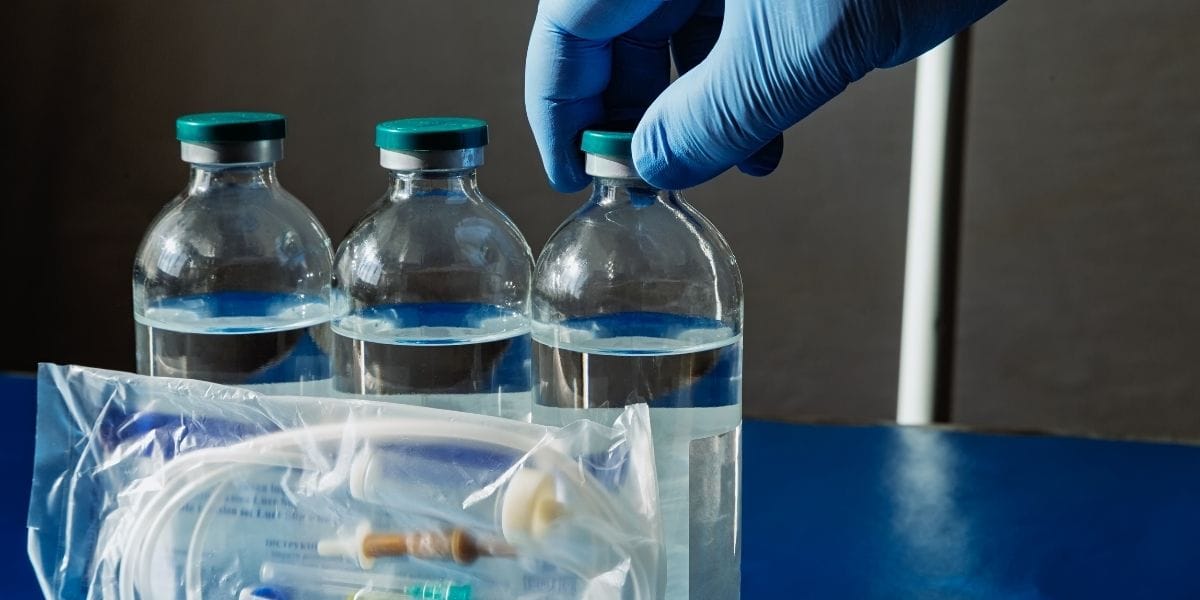
Regulatory authorities generally classify packaging changes according to their potential impact on product quality, patient safety, and the pharmaceutical supply chain. These changes are commonly categorized as minor, moderate, or major under BFS or TPE Euro Cap regulatory requirements.
When a traditional thermoset rubber combination cap on a BFS infusion container is replaced with a polymer co-injection TPE Euro Cap such as the JSD Cap, the change is typically considered a minor change, provided that the cap is not a long-term direct contact packaging component that alters the drug formulation or primary container closure performance.
Since the replacement involves a secondary packaging component with equivalent intended functionality, it generally has minimal impact on product quality, safety, and regulatory compliance, making it consistent with current TPE or BFS cap regulatory expectations.
For minor changes, manufacturers are generally expected to:
- Perform an internal packaging risk assessment.
- Document the change evaluation and implementation.
- Update the Drug Master File (DMF) where applicable.
- Notify the FDA within 30 days through the eSTAR submission system when required.
ISO 15378 Requirements for Euro Cap Manufacturers
Manufacturers producing Euro Caps should establish a quality management system that complies with ISO 15378 to ensure consistent commercial production.
A compliant pharmaceutical packaging supplier should provide:
- Commercially manufactured Euro Caps with stable and consistent quality.
- Comprehensive product specifications and technical documentation.
- Certificates of Analysis (COA) meeting applicable pharmacopoeial requirements such as USP or EP.
- Manufacturing, inspection, and warehouse facilities that comply with ISO 15378 requirements.
- Complete documentation supporting product traceability and quality management.
Validation Requirements for Pharmaceutical Manufacturers
Before implementing the new packaging component, pharmaceutical manufacturers should conduct comparative verification using documentation supplied by the packaging manufacturer, including the pharmacopoeia packaging COA, product specifications, and safety documentation.
The validation process should include:
- Welding or sealing performance evaluation.
- Sterilization compatibility testing.
- Clinical simulation studies comparing the new Euro Caps with the currently approved combination cap or Euro Caps from another supplier.
- Three consecutive commercial production batch validation studies.
When necessary, a limited clinical use verification may also be performed. The primary focus should be confirming leak resistance and minimizing particle generation during needle puncture.
Because the packaging change is generally regarded as a minor change, additional long-term stability studies and compatibility studies are typically not required unless justified by product-specific risk assessment or regulatory requirements.
As an experienced pharmaceutical seal manufacturer, JSD provides the full documentation package required to support your validation process, including pharmacopoeia-compliant COAs, detailed product specifications, and safety data aligned with global regulatory standards. Contact JSD today to request documentation or discuss validation support for your transition to JSD Cap.
Documentation and FDA Reporting Requirements

Every packaging change should be fully documented before implementation.
Documentation should include:
- Description of the proposed change.
- Reason for the change.
- Packaging risk assessment and supporting data.
- Implementation date.
- Approval by the Quality Unit or designated quality representative.
Manufacturers should complete a formal Change Request, retain all supporting records for at least five years, update the relevant Drug Master File information, and submit any required FDA notification through the eSTAR system within 30 days.
Conclusion
Replacing traditional thermoset rubber combination caps with advanced polymer co-injection TPE Euro Caps such as the JSD Cap offers significant opportunities to improve pharmaceutical packaging performance while maintaining regulatory compliance.
By following ISO 15378 requirements, conducting appropriate risk assessments and validation studies, and complying with FDA change control regulations, both packaging manufacturers and pharmaceutical companies can implement packaging upgrades efficiently without compromising product quality, patient safety, or regulatory expectations.
JSD Cap is engineered to meet the precise demands of this transition, combining proprietary TPE material science with GMP-compliant co-injection molding to deliver a closure solution that satisfies both performance and regulatory requirements from day one. Contact JSD today to speak with our technical team and find out how JSD Cap can support your packaging upgrade without disrupting your production timeline.
